All Things Montgomery: August 2026 🌻
Happy one-year anniversary of the All Things Montgomery newsletter!
All Things Montgomery: June 2026 ☀️
Although Montgomery County’s primary election is now behind us (find the most current results here!), the action is not slowing down in July.
Crucial work on several master plans in the county continues apace.
Blog: Housing Organizing Across the Northeast 🏡
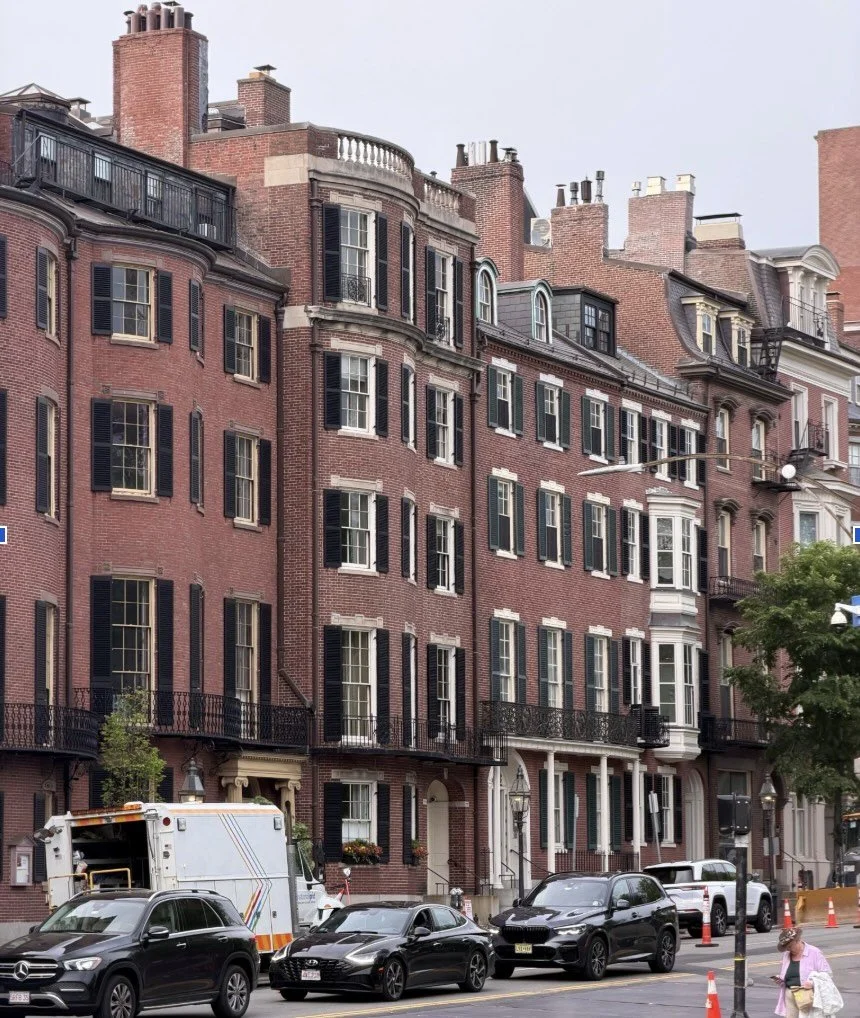
Last month, we (Brandi and Tony!) traveled to Boston for the northeast regional gathering of Welcoming Neighbors Network, a coalition of like-minded pro-housing groups across the country.
All Things Montgomery: May 2026
Let’s kick off summer with some good news! Earlier this year, we asked you to take action once again for future housing at the Chevy Chase Library after County Executive Elrich’s draft budget called for renovation rather than redevelopment.
Thanks to our efforts along with our partners at AIM, all eleven Councilmembers voted to restore the budget language we first won in 2022 that calls for a new library as part of a mixed-use development.
Blog: 🏡Homeowners: Have You Considered an Accessory Dwelling Unit?
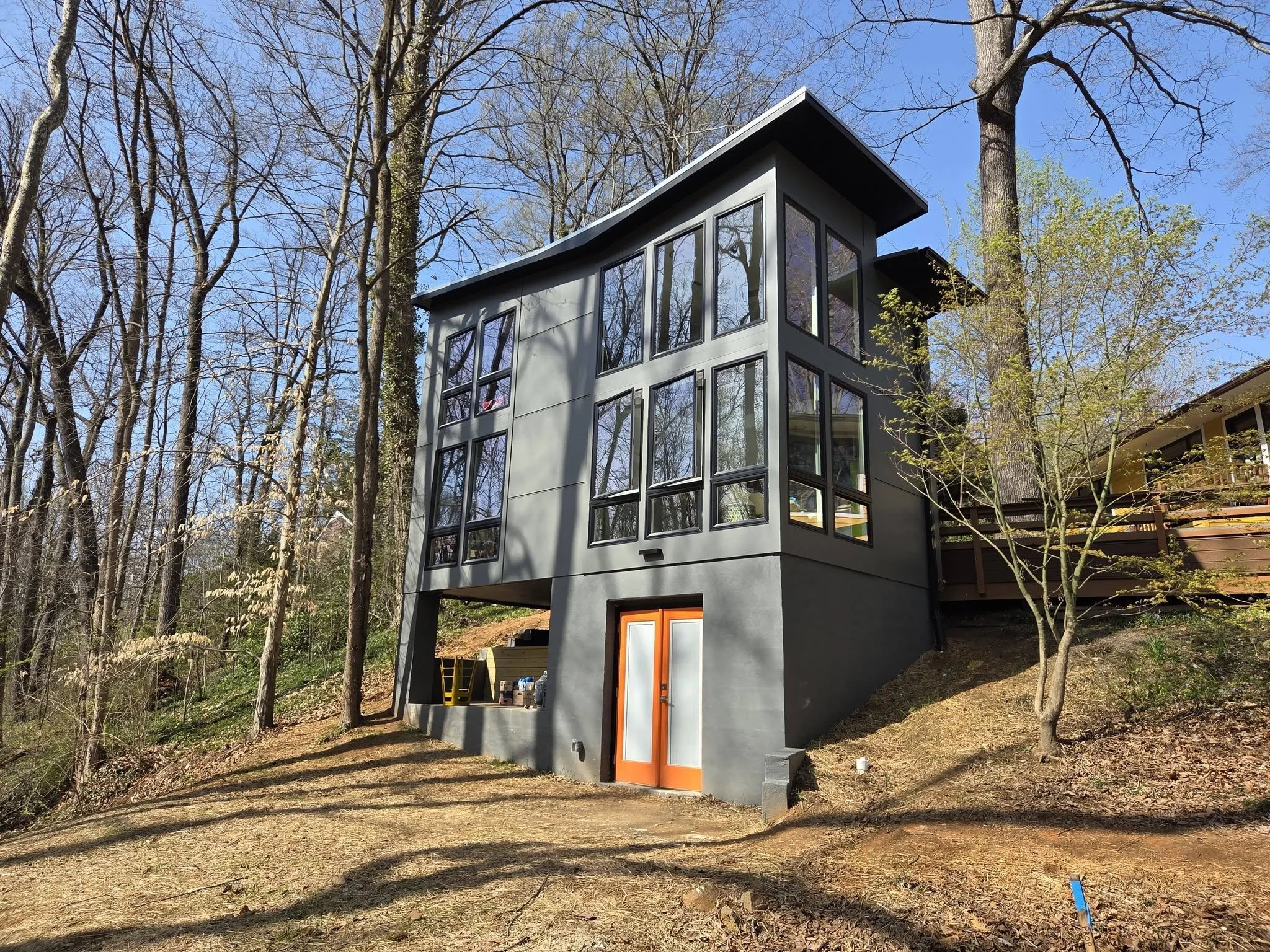
Accessory Dwelling Units (“ADUs”) have become a hot topic nationally. In different locales ADUs go by different names—tiny homes, granny flats, casitas, basement apartments, and so on—but the idea is the same: a new, separate home on an existing property.
All Things Montgomery: April 2026
The MD General Assembly session is over (with a couple major housing wins notched!), but our local work continues!
🌸 All Things Montgomery: March 2026 🌸
Spring is here! 🌸And with it comes many upcoming opportunities to take action all over Montgomery County—some new, and some familiar.
All Things Montgomery: February 2026
Our region is finally digging out from under all that snowcrete just in time for you to attend our Montgomery for All + CSG February happy hour tomorrow night! And for those of you who have been hiding secret singing talents, we have just the event for you—our inaugural urbanist karaoke in Silver Spring on March 17.
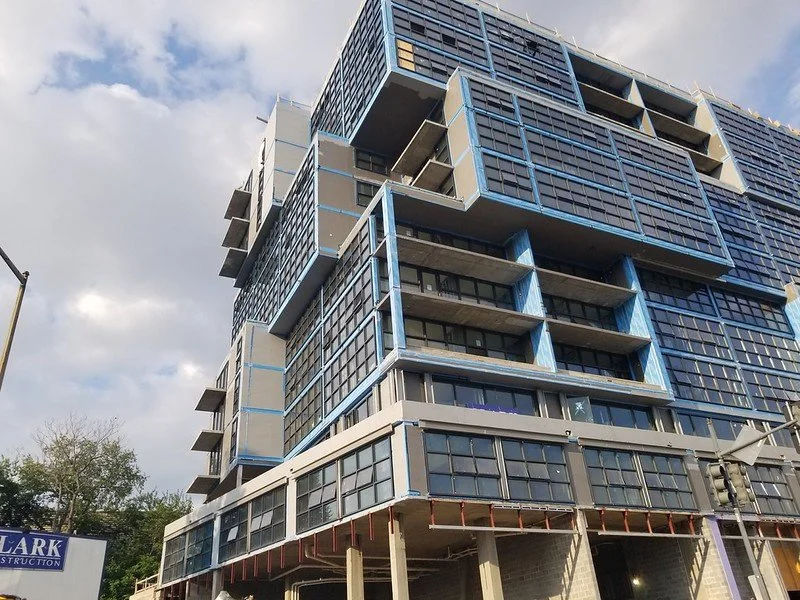
Blog: Gov. Moore’s 2026 Housing Growth and Affordability Agenda
The Maryland Assembly is back in session through April for the 2026 legislative session. Among other issues, legislators will address what some are calling “Moore Housing 3: Abundance Drift” as the Moore-Miller administration makes housing a central part of its legislative priorities for the third year in a row.
All Things Montgomery: January 2026
The Planning Department is undertaking a broad set of master and sector plans over the next twelve months. The goals and recommendations of these master and sector plans will be guided by the county’s general plan, Thrive 2050—which we fought for and won together in 2022.
Find the list of plans taking place this year below, and learn how you can get involved to ensure the housing and smart growth wins we secured in Thrive are reflected in our county’s plans for the future!
All Things Montgomery: December 2025
Thanks to you, this was a big year for Montgomery for All—we made our first t-shirts, launched a newsletter, notched housing wins with More Housing N.O.W. and the University Boulevard Corridor Plan, and reached new people at community events around the county.
Keep your eyes peeled for more opportunities to get involved in 2026.
All Things Montgomery: November 2025
What are you grateful for this month? 🦃 I am grateful for all of you and the movement we are building together for a more sustainable and inclusive Montgomery County! 🏘️🚌

Blog: What is Inclusionary Zoning?
Inclusionary zoning has a long history in Montgomery County, and has led to the production of more than 17,300 affordable homes since the program began in 1974. But what does inclusionary zoning actually mean? Learn more in this short primer!
All Things Montgomery: October 2025
A chill is in the air. Spooked you or your loved ones won't find affordable housing? Scared you won't have any option to get to your job other than to drive?
Join Montgomery for All in taking action to make your community more livable this fall! There are some a-maizeing 🌽 opportunities to carve 🎃 out a real difference, no matter witch 🧙♀️way you roll.
All Things Montgomery: August 2025
Welcome to the very first edition of All Things Montgomery — the new Montgomery County monthly newsletter from Montgomery for All and the Coalition for Smarter Growth!

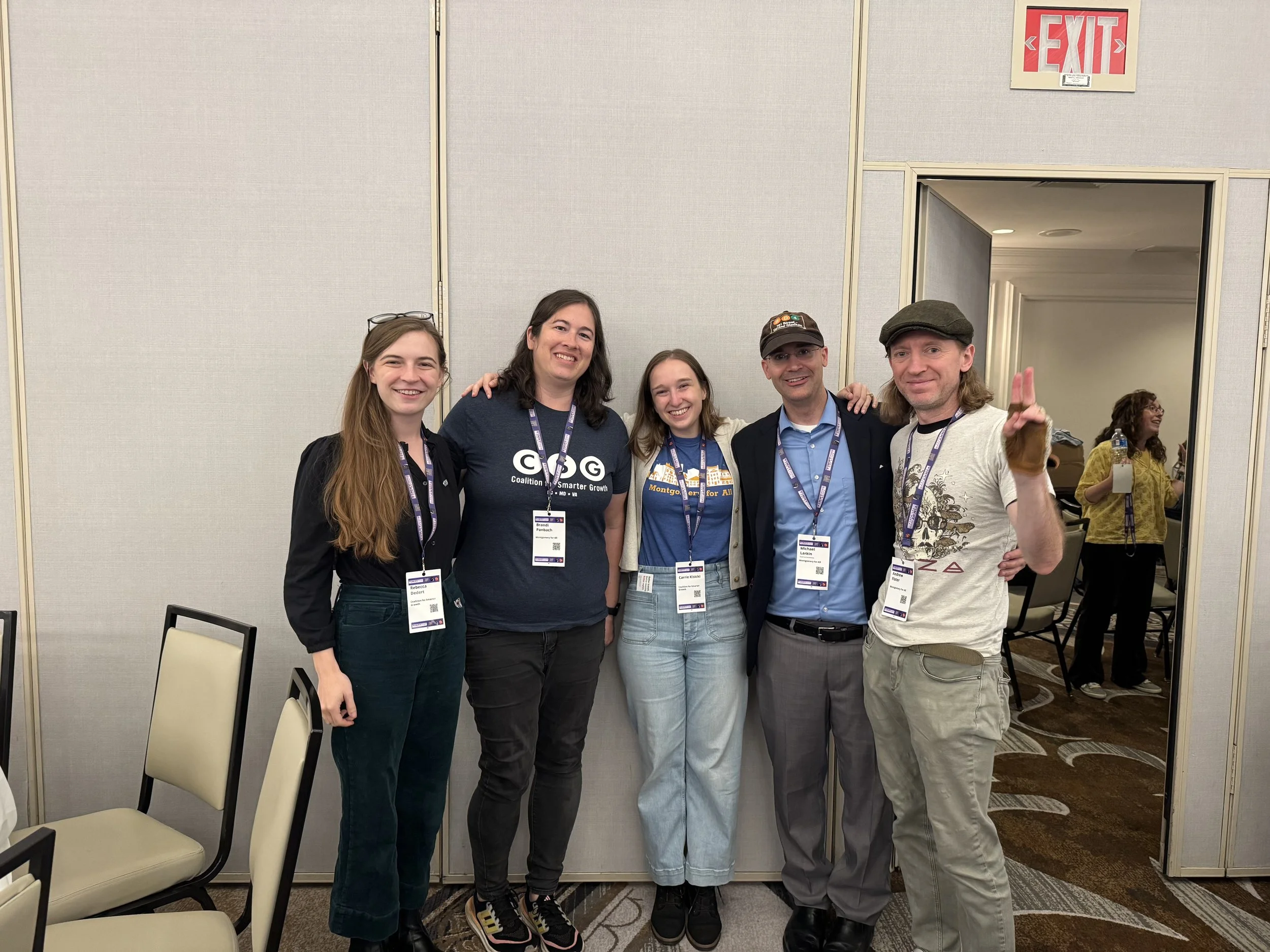
OMG —T-shirts are here!
Exciting news—Montgomery for All t-shirts are finally here!
Your purchase of a Montgomery for All shirt will help support future events and advocacy. It’s a great way to show your support at public hearings or out and about around the neighborhood!
Event Materials: Affordable Housing Financing 101 (May 2024)
In May 2024, Montgomery for All and the Coalition for Smarter Growth co-hosted a webinar on the basics of affordable housing financing, and Montgomery County's unique and innovative affordable housing production and preservation initiatives.
Watch the recording and access presenter slides and other event materials here.
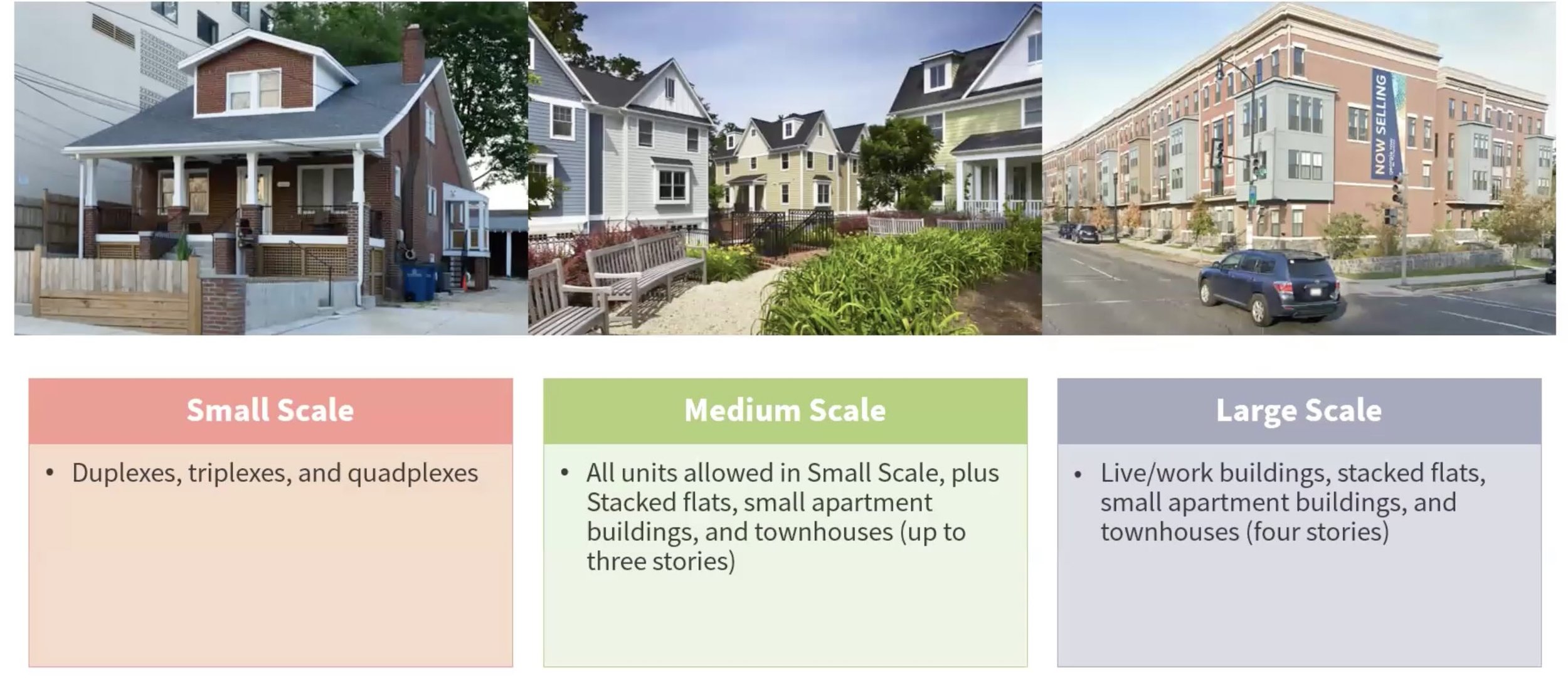
Additional Comments: Attainable Housing Strategies Initiative
Thank you for the opportunity to speak in support of the Attainable Housing Strategies Initiative on March 21, 2024. Montgomery for All was proud to offer our comments on behalf of our over 200 members who support more welcoming, inclusive, and sustainable communities in Montgomery County.
As you prepare to begin your worksessions on the initiative, we would like to ask that you consider the following recommendations.
Testimony: Attainable Housing Strategies Initiative
Attainable housing embraces what makes Montgomery County an attractive place to live. We have high-quality schools, parks, libraries, public transit, and job opportunities. However, equitable access to these opportunities is limited because of zoning that gives preference to prohibitively expensive detached single-family homes.